
Curious about arthritis surgery options? Let’s dive into the different types available and when surgery might be recommended for treatment.
From potential risks to benefits, we’ll explore everything you need to know about arthritis surgery in an engaging and informative way.
Arthritis Surgery Options
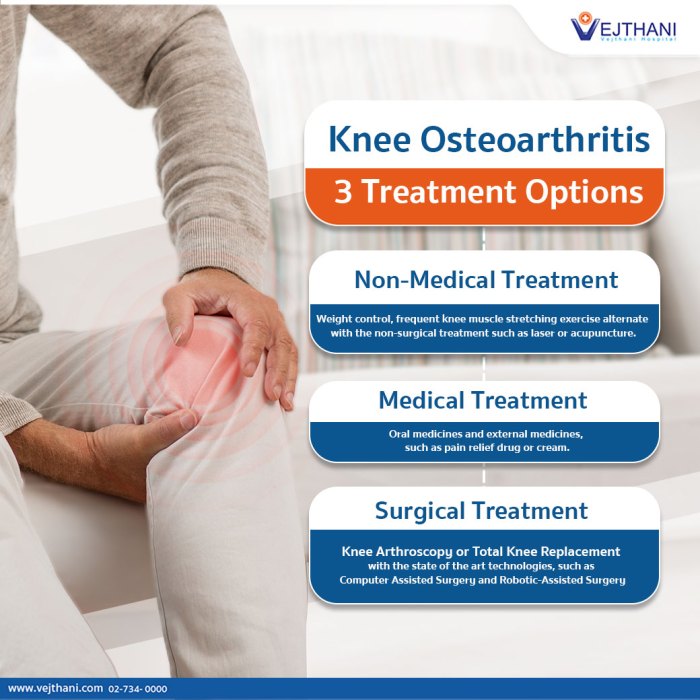
Arthritis surgery is a treatment option for individuals with severe joint damage that has not responded to other conservative treatments like medication, physical therapy, or injections. There are several types of arthritis surgery available, each with its own specific purpose and benefits.
Total Joint Replacement
Total joint replacement is a common type of arthritis surgery where the damaged joint is replaced with a prosthetic component made of metal, plastic, or ceramic. This procedure is typically recommended for individuals with advanced arthritis that affects the joint’s function and causes severe pain.
Arthroscopy
Arthroscopy is a minimally invasive surgery that involves inserting a small camera and instruments into the joint through small incisions. This procedure is often used to diagnose and treat various types of arthritis, such as removing loose cartilage or repairing damaged tissue.
Joint Fusion
Joint fusion, also known as arthrodesis, is a surgery that involves fusing the bones on either side of the joint together. This procedure is usually recommended for individuals with severe arthritis in smaller joints like the wrist or ankle, where joint replacement may not be suitable.
Debridement
Debridement is a surgical procedure that involves removing damaged tissue from the joint, such as inflamed synovium or bone spurs. This surgery is typically recommended for individuals with inflammatory types of arthritis like rheumatoid arthritis.
Risks and Benefits
Arthritis surgery, like any surgical procedure, comes with certain risks and benefits. The potential benefits include pain relief, improved joint function, and enhanced quality of life. However, there are also risks involved, such as infection, blood clots, nerve damage, or the need for revision surgery in the future. It is essential to discuss these risks and benefits with your healthcare provider before making a decision about arthritis surgery.
Diseases STDs
Sexually transmitted diseases (STDs) are infections that are primarily transmitted through sexual contact. It is important to be aware of the common STDs, their symptoms, and how to prevent their spread.
Common STDs and Symptoms
- Chlamydia: Symptoms may include abnormal discharge, painful urination, and pelvic pain.
- Gonorrhea: Symptoms can include painful urination, abnormal discharge, and pelvic pain.
- Syphilis: Symptoms may include sores, rash, fever, and fatigue.
- Herpes: Symptoms can include blisters, itching, and pain in the genital area.
- HIV/AIDS: Symptoms can vary but may include flu-like symptoms, fatigue, and weight loss.
Importance of Early Detection and Treatment
Early detection and treatment of STDs are crucial to prevent complications and the spread of infections. Regular testing and seeking medical help promptly can help in managing and treating STDs effectively.
Prevention Tips
- Practice safe sex by using condoms consistently and correctly.
- Limit the number of sexual partners and choose partners who have been tested for STDs.
- Get vaccinated for STDs such as HPV to reduce the risk of infection.
- Communicate openly with your partner about sexual health and history.
- Get tested regularly for STDs, especially if you are sexually active.
Health Acne
Acne is a common skin condition that occurs when hair follicles become clogged with oil and dead skin cells. It can manifest as pimples, blackheads, or whiteheads on the face, neck, chest, back, and shoulders.
Causes and Aggravating Factors
- Hormonal changes: Fluctuations in hormone levels, especially during puberty, can lead to increased oil production.
- Genetics: A family history of acne can make individuals more prone to developing the condition.
- Diet: Certain foods high in sugar and carbohydrates can worsen acne for some people.
- Stress: High levels of stress can trigger hormonal changes that exacerbate acne.
Management and Treatment Tips
- Keep skin clean: Wash your face twice a day with a gentle cleanser to remove excess oil and dirt.
- Avoid picking or squeezing: This can worsen inflammation and lead to scarring.
- Use non-comedogenic products: Opt for skincare and makeup products that won’t clog pores.
- Consult a dermatologist: A professional can recommend topical treatments or medications to help manage acne.
Lifestyle Changes for Improving Acne
- Stay hydrated: Drinking plenty of water can help flush out toxins and keep skin hydrated.
- Eat a balanced diet: Incorporate fruits, vegetables, and whole grains into your meals for overall skin health.
- Exercise regularly: Physical activity can improve blood circulation and reduce stress levels, which may help alleviate acne symptoms.
- Get enough sleep: Lack of sleep can contribute to hormonal imbalances that may worsen acne.
Hand Wrist Pain
Hand and wrist pain can be caused by a variety of factors, including overuse, injury, arthritis, or underlying medical conditions. It can significantly impact daily activities and quality of life. Here, we will explore common causes of hand and wrist pain, exercises or stretches to alleviate discomfort, and when it’s crucial to seek medical attention for persistent symptoms.
Common Causes of Hand and Wrist Pain
- Repetitive Strain: Overuse of the hand and wrist through activities like typing, writing, or using tools can lead to strain and pain.
- Arthritis: Conditions like osteoarthritis or rheumatoid arthritis can cause inflammation and pain in the joints of the hand and wrist.
- Carpal Tunnel Syndrome: Compression of the median nerve in the wrist can result in pain, numbness, and tingling in the hand and fingers.
Exercises and Stretches for Relief
- Wrist Flexor Stretch: Extend one arm in front with palm facing down, then use the other hand to gently bend the wrist downwards until a stretch is felt.
- Finger Stretch: Gently pull each finger back towards the back of the hand to stretch the hand and finger muscles.
- Wrist Extension Exercise: Hold a light weight in hand with palm facing down and slowly lift the weight by bending the wrist upwards.
When to Seek Medical Attention
- If pain is severe and persistent, especially at rest.
- If there is swelling, redness, or warmth in the hand or wrist.
- If there is a loss of function or grip strength in the hand.
Health Arthritis
Arthritis is a common condition that affects the joints, causing pain, stiffness, and inflammation. There are different types of arthritis, each with its own set of symptoms and treatment options.
Types of Arthritis and Symptoms
- Osteoarthritis: This is the most common type of arthritis, characterized by the breakdown of cartilage in the joints. Symptoms include pain, stiffness, and swelling in the affected joints.
- Rheumatoid Arthritis: An autoimmune disorder where the immune system attacks the joints, leading to inflammation. Symptoms include joint pain, swelling, and fatigue.
- Psoriatic Arthritis: A type of arthritis that affects individuals with psoriasis, causing joint pain, stiffness, and swelling.
- Gout: Caused by the buildup of uric acid in the joints, leading to sudden and severe pain, swelling, and redness.
Lifestyle Modifications for Managing Arthritis
- Regular exercise: Low-impact activities like swimming or walking can help improve joint flexibility and reduce pain.
- Healthy diet: Consuming anti-inflammatory foods like fruits, vegetables, and omega-3 fatty acids can help manage arthritis symptoms.
- Weight management: Maintaining a healthy weight can reduce stress on the joints and alleviate pain.
- Joint protection: Avoiding repetitive movements and using assistive devices can help protect the joints from further damage.
Role of Medication and Therapy
- Medication: Pain relievers, anti-inflammatory drugs, and disease-modifying antirheumatic drugs (DMARDs) can help manage arthritis symptoms and slow down disease progression.
- Physical therapy: Working with a physical therapist can help improve joint function, reduce pain, and increase mobility through targeted exercises and techniques.
- Surgery: In severe cases where other treatments have not been effective, surgery may be recommended to repair or replace damaged joints.
Quit Smoking
Smoking poses serious health risks and can lead to a variety of diseases and conditions. Some of the health risks associated with smoking include:
- Increased risk of developing lung cancer, heart disease, and stroke.
- Damage to the respiratory system, leading to conditions such as chronic bronchitis and emphysema.
- Higher likelihood of developing other types of cancers, such as throat and mouth cancer.
- Reduced lung function and overall decrease in physical fitness.
Tips and Strategies to Quit Smoking
Quitting smoking can be challenging, but there are strategies that can help individuals kick the habit for good. Some tips and strategies include:
- Set a quit date and stick to it to mentally prepare for the change.
- Seek support from friends, family, or a support group to stay motivated.
- Consider nicotine replacement therapy or prescription medications to help manage withdrawal symptoms.
- Avoid triggers and situations that make you want to smoke.
- Stay busy with activities that keep your mind off smoking, such as exercise or hobbies.
Benefits of Quitting Smoking
Quitting smoking can have numerous benefits for overall health and well-being. Some of the positive outcomes of quitting smoking include:
- Improved lung function and reduced risk of developing respiratory diseases.
- Lowered risk of heart disease, stroke, and various types of cancers.
- Increased energy levels and improved physical fitness.
- Enhanced sense of taste and smell.
- Better overall quality of life and longevity.
Health Nutrition
Eating a balanced diet is crucial for maintaining overall health and well-being. A diet rich in nutrients helps to support bodily functions, boost the immune system, and reduce the risk of chronic diseases.
The Importance of a Balanced Diet
A balanced diet provides the necessary nutrients, vitamins, and minerals that the body needs to function properly. It helps in maintaining a healthy weight, improving energy levels, and promoting good digestion.
- Include a variety of fruits and vegetables in your diet to ensure you get a wide range of vitamins and minerals.
- Whole grains like quinoa, brown rice, and oats are excellent sources of fiber, which aids in digestion and helps in maintaining blood sugar levels.
- Lean proteins such as chicken, fish, tofu, and legumes provide essential amino acids for muscle growth and repair.
- Healthy fats from sources like avocados, nuts, and olive oil are important for brain function and hormone production.
Nutrition and Health Conditions
Nutrition plays a significant role in managing various health conditions and can even help prevent the onset of certain diseases.
For example, a diet rich in antioxidants from fruits and vegetables can reduce inflammation in the body, potentially alleviating symptoms of conditions like arthritis.
- Individuals with diabetes need to monitor their carbohydrate intake and focus on consuming complex carbs to maintain stable blood sugar levels.
- Heart-healthy foods such as salmon, walnuts, and leafy greens can help in reducing the risk of cardiovascular diseases.
- Consuming calcium-rich foods like dairy products and leafy greens is essential for maintaining strong bones and preventing osteoporosis.
Health Thyroid
The thyroid gland plays a crucial role in regulating metabolism and hormone production in the body. When the thyroid is not functioning properly, it can lead to various health issues known as thyroid disorders.Thyroid disorders can manifest in different ways, with symptoms varying depending on the specific condition. Some common thyroid disorders include:
Common Thyroid Disorders and Symptoms
- Hypothyroidism: This condition occurs when the thyroid gland does not produce enough thyroid hormones. Symptoms may include fatigue, weight gain, depression, and cold sensitivity.
- Hyperthyroidism: In contrast, hyperthyroidism occurs when the thyroid gland produces an excess of thyroid hormones. Symptoms may include weight loss, rapid heartbeat, anxiety, and heat intolerance.
- Thyroid nodules: These are abnormal growths on the thyroid gland that can be benign or cancerous. Symptoms may include a visible lump in the neck, difficulty swallowing, or changes in voice.
Treatment options for thyroid conditions depend on the specific disorder and its severity. In some cases, medication may be prescribed to regulate hormone levels and alleviate symptoms. However, in certain situations where medication is not effective or the condition is severe, surgery may be recommended to remove part or all of the thyroid gland.
Developmental Disabilities
Developmental disabilities are a group of conditions due to an impairment in physical, learning, language, or behavior areas. These disabilities usually begin during a child’s developmental period and can persist throughout a person’s lifetime.
Types of Developmental Disabilities
- Intellectual Disabilities: Characterized by limitations in intellectual functioning and adaptive behaviors.
- Autism Spectrum Disorder: A range of conditions categorized by challenges with social skills, repetitive behaviors, and communication.
- Cerebral Palsy: A group of disorders that affect a person’s ability to move and maintain balance and posture.
- Down Syndrome: A genetic disorder causing developmental and intellectual delays.
Challenges Faced by Individuals with Developmental Disabilities
- Social Stigma: Individuals may face discrimination, isolation, and lack of opportunities due to their disabilities.
- Communication Difficulties: Expressing thoughts and understanding others can be challenging.
- Physical Limitations: Mobility issues or motor skill impairments can affect daily activities.
- Access to Services: Limited access to healthcare, education, and employment opportunities.
Strategies to Support Individuals with Developmental Disabilities in Daily Life
- Person-Centered Planning: Tailoring support services to meet individual needs and goals.
- Accessibility: Ensuring environments are accessible and inclusive for individuals with disabilities.
- Empowerment: Encouraging self-advocacy and independence in decision-making.
- Education and Training: Providing opportunities for skill development and learning.
Health Autism
Autism Spectrum Disorder (ASD) is a complex neurodevelopmental disorder that affects communication, social interaction, and behavior. Individuals with autism may have difficulty with verbal and nonverbal communication, repetitive behaviors, and challenges in understanding social cues.
Early Signs of Autism
- Delayed speech or lack of speech development.
- Difficulty with social interactions, such as making eye contact or understanding emotions.
- Repetitive behaviors or obsessive interests.
- Sensory sensitivities, such as being sensitive to loud noises or textures.
Importance of Early Intervention
Early intervention is crucial for individuals with autism as it can improve outcomes and help in developing essential skills. It can also support families in understanding and coping with the challenges of raising a child with autism.
Resources and Support for Individuals with Autism
- Therapies such as Applied Behavior Analysis (ABA) and speech therapy.
- School programs tailored to meet the needs of children with autism.
- Social skills groups and support networks for individuals and families.
- Government programs and services that provide assistance and resources.
Health Supplements
Health supplements play a crucial role in supporting overall health by providing essential nutrients that may be lacking in our diets. They can help fill nutritional gaps, support specific health goals, and improve overall well-being.
Choosing High-Quality Supplements
When selecting supplements, it is important to look for reputable brands that follow good manufacturing practices. Choose supplements that have been tested by third-party organizations for quality and purity. Always check the label for the ingredients and dosage recommendations.
Dosage Recommendations
- Follow the recommended dosage on the supplement label unless otherwise directed by a healthcare provider.
- Consult with a healthcare professional to determine the right dosage for your individual needs, as it can vary based on age, gender, and health conditions.
- Avoid taking more than the recommended dose, as this can lead to potential side effects or toxicity.
Potential Risks and Benefits
While health supplements can offer benefits, it is important to be aware of potential risks as well. Some supplements may interact with medications or have adverse effects if taken in excessive amounts.
- Benefits: Some popular health supplements like vitamin D, omega-3 fatty acids, and probiotics have been shown to support immune function, heart health, and digestive health.
- Risks: Certain supplements like high doses of vitamin E or iron can be harmful if taken in excess, leading to toxicity or adverse effects.
Final Thoughts
Arthritis surgery doesn’t have to be daunting. With the right information, you can make informed decisions about your treatment options and improve your quality of life.
Clarifying Questions
Are there any alternative treatments to arthritis surgery?
Yes, there are non-surgical options like medication, physical therapy, and lifestyle changes that can help manage arthritis symptoms.
How long is the recovery period after arthritis surgery?
Recovery time can vary depending on the type of surgery, but it typically ranges from a few weeks to several months.
What are the most common risks associated with arthritis surgery?
Potential risks include infection, blood clots, and nerve damage, but your healthcare team will take steps to minimize these risks.


